Most Secure Messaging Apps in 2026
Privacy-focused messaging apps compared: end-to-end encryption, metadata and the trade-offs that keep your conversations safe.
Secure messaging apps are no longer a niche concern. Journalists, activists, remote teams and ordinary families depend on the same handful of services, yet the protections behind them differ far more than the app stores suggest.
This guide explains what actually keeps a conversation private, then compares five widely used options: Signal, Telegram, WhatsApp, SimpleX Chat and Threema. The focus is on encryption, metadata and verifiable code rather than on feature checklists.
If you also spend time on public social platforms, read it alongside our social media safety tips, because the habits overlap more than most people expect. Our social platform trends report covers the wider field these apps compete in.
Key Takeaways
- End-to-end encryption on by default is the baseline; encryption you must switch on is not.
- Metadata, meaning who talks to whom, when and how often, often reveals more than the messages.
- Open-source clients and independent audits are what make a security claim checkable.
- Signal leads on privacy, WhatsApp on reach, Telegram on features and SimpleX on anonymity.
- The most secure app is the one you actually configure, verify and keep updated.
What Makes a Messaging App Secure
Almost every modern messenger advertises encryption, but the word covers very different designs. Four properties do most of the real work, and they are the ones worth checking before you move a sensitive conversation somewhere new.
Encryption That Leaves the Server Out
End-to-end encryption keeps the keys on your device and on your contact's device, so the service only relays ciphertext it cannot read. That differs from transport encryption, which protects a message while it travels but leaves it readable on the provider's servers, and from encryption at rest, where the provider holds the key and can be compelled to hand it over. The Signal protocol behind many popular apps is public and heavily reviewed, and its protocol documentation is open for anyone to inspect.
Metadata: The Quiet Privacy Leak
Encrypting content says nothing about metadata: who contacted whom, when, for how long, from which address and in what size of group. Metadata is small, cheap to store for years and easy to analyse at scale, and it can expose relationships, routines, health appointments or sources without anyone reading a single word. Designs such as sealed sender, which hides the writer from the server, messengers that never ask for a phone number, and apps that do not upload your address book each remove part of that trail. Privacy and anonymity overlap but are not the same goal, and our anonymous chat safety guide looks at where they diverge. If that second goal is what you need, the anonymous chat category collects the services built for it.
Open Source and Independent Audits
A provider that refuses to be inspected is asking for trust it cannot demonstrate. Open-source clients let researchers read the code that handles your keys, and independent audits test the shipping product rather than the marketing page. Neither guarantees safety on its own, but together they are the only way a security claim can be checked by someone other than the company making it. The Surveillance Self-Defense guide from the EFF collects practical, step-by-step advice for the tools that survive that scrutiny.
The Messaging Apps Compared
These five apps cover the realistic range of choices, from household names with billions of users to specialist tools built for anonymity. Each one strikes a different balance between reach, convenience and protection. The same questions apply to the mainstream apps many people keep as a second messenger, so it is worth reading the official listings for Viber, LINE, WeChat and Facebook Messenger before trusting them with anything sensitive.
Signal
Signal is the reference point for private messaging. Messages, calls and group chats are end-to-end encrypted by default with no setting to enable, the clients and the protocol are open source, and the nonprofit Signal Foundation collects almost no data. Sealed sender hides who is writing to whom even from Signal's own servers. The main practical cost is that registration requires a phone number, and some conveniences of larger platforms are missing.
Telegram
Telegram is fast, flexible and generous with features, including very large groups, channels and bots. Its cloud chats are encrypted between your device and Telegram's servers but not end to end, so the service holds the keys, while true end-to-end encryption is limited to secret chats and calls. If group discussion is your priority, compare the options in our group chat category before committing. Its official site also publishes the desktop and web clients if you would rather not install from a store.
WhatsApp applies the Signal protocol to messages and calls by default, which makes strong end-to-end encryption the norm for more than two billion people. The trade-offs are ownership and metadata: WhatsApp is proprietary and part of Meta, it retains connection data, and cloud backups are protected end to end only if you enable encrypted backup. For most users it remains the most private option that everyone already has installed. The official app listing sets out the current permissions and data practices, which are worth reading before you turn on cloud backup.
SimpleX Chat
SimpleX Chat removes the account altogether. There is no phone number, no username and no persistent identifier, and messages pass through unidirectional queues that the server cannot tie to a person. The clients are open source, and the app can run over Tor if you also need to hide your network address. The price of that design is a smaller network, fewer integrations and a rougher learning curve. The project's official site documents the protocol and the servers it publishes.
Threema
Threema is a paid messenger developed in Switzerland that does not require a phone number, keeps only the minimum data needed to deliver messages, and publishes its clients as open source. It suits people who prefer to pay for a product rather than accept advertising or data monetisation, though the user base is small and the licence is not free.
Side-by-Side Comparison
The table below summarises how the five apps differ on the points that matter most in daily use. Treat it as a starting point rather than a verdict, because configuration often matters as much as the app itself.
| App | Encryption model | Open source | Metadata handling | Best for |
|---|---|---|---|---|
| Signal | End-to-end by default for all chats and calls | Yes, clients and protocol | Very little; sealed sender hides who talks to whom | Everyday private messaging |
| Telegram | End-to-end only in secret chats and calls | Clients yes, servers no | Retains more connection data; phone number required | Large groups, channels and bots |
| End-to-end by default, using the Signal protocol | No, proprietary | Collects connection data; shares some with Meta | Reaching people who already use it | |
| SimpleX Chat | End-to-end with no account identifiers | Yes | Almost none; no phone number or account to link | Maximum anonymity |
| Threema | End-to-end by default on Swiss infrastructure | Clients yes, servers no | Keeps only what delivery requires; no phone number | Paid privacy without a phone number |
Trade-Offs You Should Accept
Every step up in privacy costs something, and it is better to choose the trade knowingly. The most protective apps have smaller networks, so the people you message may not be there. Cloud backups, multi-device history and easy onboarding are usually the first conveniences to go, because they depend on the server holding data it should not be able to read.
Verification is another cost. Safety numbers and key change warnings exist precisely because the app cannot know on its own that the person on the other end is who you think. Verifying a contact takes a minute and is worth doing once for the conversations that matter.
Finally, remember that the app is only part of the picture. An unlocked device, a notification preview on a lock screen, a screenshot, a cloud photo backup or a careless forwarding habit can undo good encryption faster than any flaw in the protocol.
Group calling deserves the same scrutiny, because real-time audio and video behave differently from text: voice chat platforms such as Discord, Zoom and Skype keep their own records, and the official Zoom listing sets out which encryption options are available. Our Discord alternatives comparison weighs the practical options if that is where your conversations happen.
How to Choose the Right App
- Decide what you are protecting: ordinary private chat, sensitive work, or anonymity from everyone including the service.
- Default to a messenger that encrypts end to end with no switch to flip, and keep the optional features switched on.
- Keep a second app for the people who will not move, and treat it as less private.
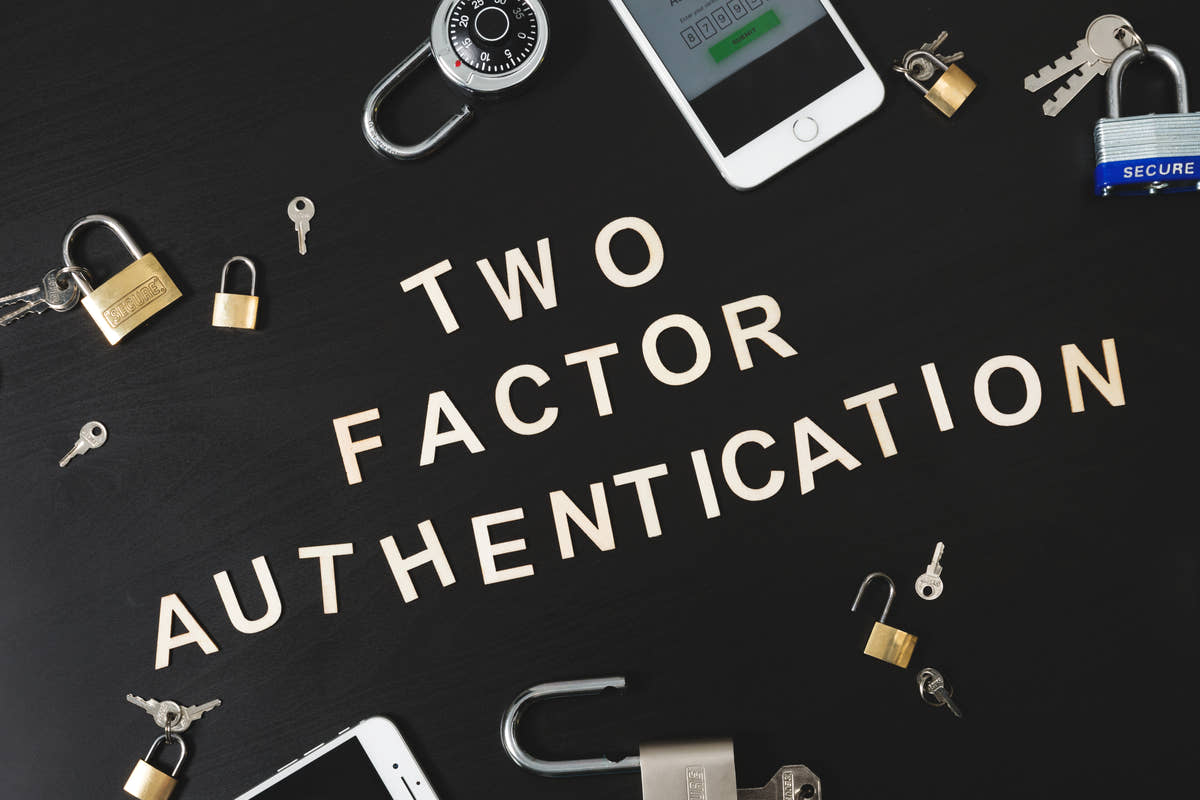
- Turn on what the app leaves optional: disappearing messages, app lock, encrypted backups and two-step verification.
- Verify your contacts once, and update every messenger as soon as an update is offered.
If you need a mainstream alternative as well, our reviews of Viber, LINE, WeChat and Facebook Messenger set out what each one encrypts and what it keeps.
Conclusion
Signal remains the safest default for most people: default end-to-end encryption, minimal data collection, open code and a nonprofit owner. WhatsApp stays the pragmatic choice when reach matters more than ownership, Telegram is best understood as a feature-rich platform with optional encryption, and SimpleX Chat or Threema serve those who will accept a smaller network in exchange for anonymity or independence.
Whichever you choose, the app is only the beginning. Defaults, verification, backups and the device in your hand decide how much of your conversation really stays private.
Frequently asked questions
Are secure messaging apps really private?
They are far more private than ordinary messaging, but no app is perfect. Encryption protects content while metadata, your device and the person you message can still reveal information, so settings and habits matter as much as the app you install.
Is WhatsApp less secure than Signal?
Both use the Signal protocol for end-to-end encryption by default. The difference lies in ownership and metadata: WhatsApp is proprietary, keeps more connection data and shares some with Meta, while Signal collects almost nothing and hides senders even from its own servers.
Does Telegram encrypt messages end to end?
Only in secret chats and calls. Ordinary cloud chats are encrypted between your device and Telegram servers but not end to end, so Telegram holds the keys and can technically read them.
Why does Signal require a phone number?
Signal uses a phone number as the account identifier so that contacts can find you without uploading an address book. That keeps metadata low, but it does link your account to a number, which is why some people prefer SimpleX Chat or Threema.
What is metadata and why does it matter?
Metadata is everything around the message: who contacted whom, when, how often and from which address. It is small, easy to store for years and easy to analyse, so it can reveal relationships and routines even when message content stays encrypted.
Can I use several secure messaging apps at once?
Yes, and most people do. A common approach is to keep one app that encrypts by default for sensitive conversations and a second one for contacts who will not switch, while treating the second as less private.